Working abroad is one of the greatest sacrifices many Filipinos make for their families. It means spending years away from loved ones, missing birthdays, holidays, graduations, and everyday moments—all in the hope of giving them a better future.
While overseas jobs often provide higher salaries than opportunities back home, earning more doesn’t automatically lead to financial security. Many OFWs work hard for years but still struggle to build lasting wealth because income alone isn’t enough. What truly makes a difference is how you manage the money you earn.
If you’ve ever asked yourself, “How can I make my hard-earned money work for my future?”, you’re already taking the first step.
The good news is that you don’t need to be a financial expert to improve your financial situation. By building a few smart money habits and staying consistent, you can create a stronger financial foundation for yourself and your family.
Why Good Financial Habits Matter
Financial success isn’t just about earning a big paycheck. It’s about making wise decisions with the money you already have.
Some people earn a high income but still struggle because they spend more than they save. Others earn less but steadily build financial security through discipline, planning, and consistency.
Healthy financial habits help you prepare for unexpected challenges while also moving closer to long-term goals like buying a home, funding your children’s education, starting a business, or enjoying a comfortable retirement.
Create a Monthly Budget
A budget is one of the simplest yet most effective financial tools you can have.
Instead of wondering where your salary went at the end of the month, create a plan before you start spending. List your monthly income and divide it into categories such as:
- Living expenses abroad
- Money sent to your family
- Savings
- Emergency fund
- Personal expenses
- Investments or future business funds
Even a simple spreadsheet or budgeting app can help you track your spending and identify areas where you can save more.
Build an Emergency Fund
Life is unpredictable, especially when you’re working far from home.
Unexpected medical expenses, sudden job changes, emergency flights, or family emergencies can happen without warning.
Having an emergency fund gives you peace of mind because you know you have money set aside when life doesn’t go according to plan.
You don’t have to save everything at once. Start with small, consistent contributions each payday and let your savings grow over time.
Don’t Let Lifestyle Inflation Take Over
One common mistake many people make is increasing their spending every time their income goes up.
It’s tempting to buy the latest phone, upgrade your lifestyle, or spend more on things you couldn’t afford before. While there’s nothing wrong with enjoying your hard work, constantly increasing your expenses can make it difficult to build long-term savings.
Instead, consider using part of every salary increase to boost your savings, pay off debt, or invest in your future.
Your future self will thank you for it.
Set Financial Goals That Motivate You
Saving becomes much easier when you know exactly what you’re working toward.
Your goals might include:
- Buying your own home
- Paying for your children’s education
- Building retirement savings
- Becoming debt-free
- Starting a small business
- Creating additional sources of income
Rather than focusing only on the big picture, break your goals into smaller monthly targets. Small wins keep you motivated and make long-term goals feel much more achievable.
Keep Learning About Personal Finance
Financial education doesn’t stop after school.
The more you learn about budgeting, saving, investing, and entrepreneurship, the more confident you’ll become when making financial decisions.
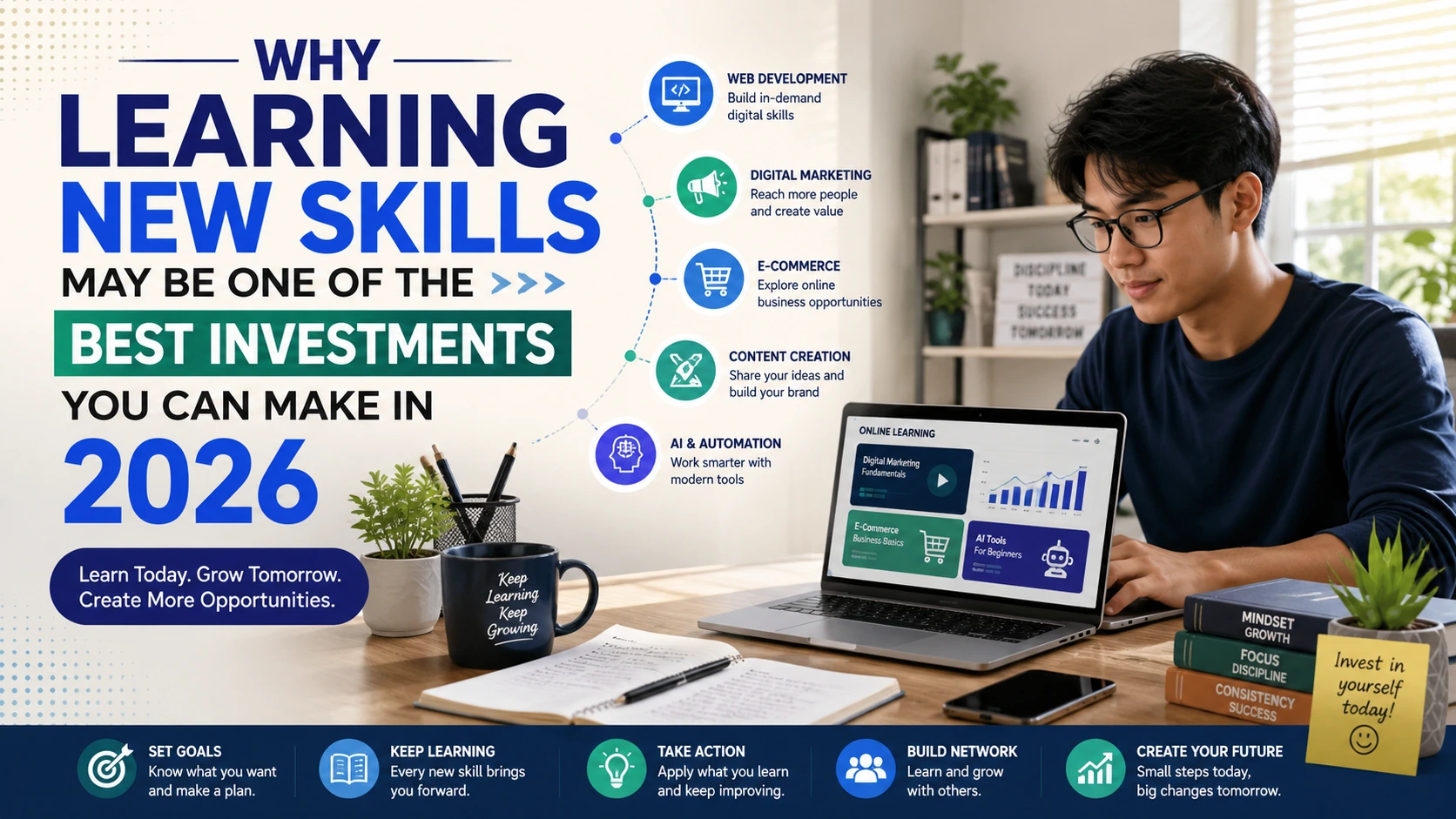
There are plenty of reliable resources available today, including books, podcasts, webinars, online courses, and educational communities. Even spending a little time each week learning something new can make a big difference over the years.
Explore Additional Income Opportunities Wisely
Many OFWs eventually look for ways to earn income beyond their overseas job.
Some choose freelancing, online businesses, digital services, small businesses, or investments that fit their financial goals and level of risk.
Before joining any business opportunity, take your time to do proper research. Understand how the business works, ask questions, and learn about the products or services being offered.
Most importantly, be cautious of opportunities that promise guaranteed income or unrealistic returns. If something sounds too good to be true, it’s worth taking a closer look before making any commitment.
Surround Yourself with People Who Inspire Growth
The people around you can have a big influence on your financial habits.
Spending time with people who value saving, learning, and responsible financial planning can encourage you to stay focused on your own goals.
Whether it’s a mentor, a supportive community, or friends with similar aspirations, positive influences can help you stay motivated throughout your financial journey.
Review Your Finances Every Month
Creating a financial plan is only the beginning.
Set aside time each month to check your progress. Ask yourself:
- Am I saving consistently?
- Did I stay within my budget?
- Have I reduced unnecessary expenses?
- Am I getting closer to my financial goals?
- What can I improve next month?
Small adjustments made consistently often lead to significant results over time.
Final Thoughts
Every OFW has a unique journey, but one thing remains true for everyone: the sacrifices you make today deserve to create a better tomorrow.
Building healthy financial habits isn’t about becoming rich overnight. It’s about making smart decisions every day, staying disciplined, and thinking beyond the next paycheck.
With patience, consistency, and a willingness to keep learning, you can build greater financial security and create more opportunities for yourself and your family in the years ahead.
Frequently Asked Questions
What are the best financial habits for OFWs?
Some of the most important financial habits include creating a monthly budget, saving consistently, building an emergency fund, setting financial goals, tracking expenses, and continuing to improve your financial knowledge.
Why is budgeting important for OFWs?
A budget helps you manage your salary more effectively, support your family, control spending, and ensure you’re consistently saving for future goals.
Should OFWs look for additional income opportunities?
Many OFWs explore additional income streams as part of their long-term financial plans. The key is to carefully research every opportunity, understand the risks involved, and avoid businesses or investments that promise guaranteed earnings.
How can OFWs achieve long-term financial stability?
Long-term financial stability comes from consistently saving, living within your means, building an emergency fund, reducing debt, setting clear financial goals, and continuously learning about personal finance.